Expanding retail media beyond the shelf
Retail media has long been characterized as the 'Third Wave' of digital marketing, taking its place alongside search and social as an essential channel for advertisers. But it hasn’t truly been for all advertisers. While search and social provide an open ecosystem accessible to all brands, retail media’s powerful closed-loop measurement and direct connection to shoppers has been most accessible to the brands sold on retail shelves. For retail media to truly mature and stand as an equal pillar of digital advertising, it must evolve beyond this model to create opportunities for a wider range of brands.
That is why today, Loblaw AdvanceTM is proud to lead the next chapter in retail media's evolution by officially extending our powerful solutions to brands in more key sectors. This strategic expansion is the natural progression of our core philosophy to be the definitive intelligence layer connecting brands (all brands) to Canadian shoppers. As our own Jamie Armstrong eloquently puts it, "retail media was never about the products on the shelves. It was always about the people." By opening our capabilities to a wider range of industries, we are fully realizing that vision.
Here are some important ways we’re expanding our solutions to meet the needs of more brands in more verticals:
The value of deterministic data for deeper insights
The strength of retail media is rooted in its data. With over 1 billion transactions annually, Loblaw AdvanceTM has a detailed, deterministic view into the purchasing habits of Canadian shoppers. This allows us to see what people are buying, which in turn reveals their priorities and purchase intent.
The travel and hospitality industry provides a clear example. While a web search can signal interest, a shopping basket provides a more detailed story. By analyzing purchase data for the sun care category, we can build effective predictive models for households likely planning a vacation. Going one step further, the vast depth and variety of the products on our shelves also help us determine a shopper’s affinity for the type of trip they’re planning.
For context, we carry more than 400 unique SKUs in the sun care category, with a price difference of almost 5,000% from the lowest to highest-priced item. So, we know a shopper purchasing sunscreen last January is likely to be going on a trip. And we know October is a great time to start targeting that shopper. But we also know a shopper buying premium, high-SPF brands may be a good candidate for a luxury or resort-style vacation offer. And a basket containing a value-brand, children’s sunscreen suggests a household that would be receptive to offers for a family-friendly destination.
When layered with the full scope of our data solutions to further refine and analyse preferences, this approach enables travel brands to reach high-intent consumers with a relevant message, using purchase behaviour as a key indicator.
More than retail data
For high-consideration purchases like a vehicle, the signals of intent can be more nuanced, but they can be identified through careful data analysis. Through our data partnerships, like our EssoTM and MobilTM gas station partnership, we can connect fuel purchase data with retail shopping habits to build insightful auto-intender personas. But we go one step further. Using our PC OptimumTM survey data, we also confirm the auto-intender segments we build are 3x more likely to be in the market for a new car than the average consumer. This allows automotive brands to engage a validated, high-intent audience with greater precision.
Proximity targeting: connecting with customers in the moment across 2,500 store locations
A shopper's journey continues after they leave our stores. And as they exit, they are still in a highly receptive mindset as they consider their next destination. This presents a valuable opportunity for local businesses to connect with potential customers.
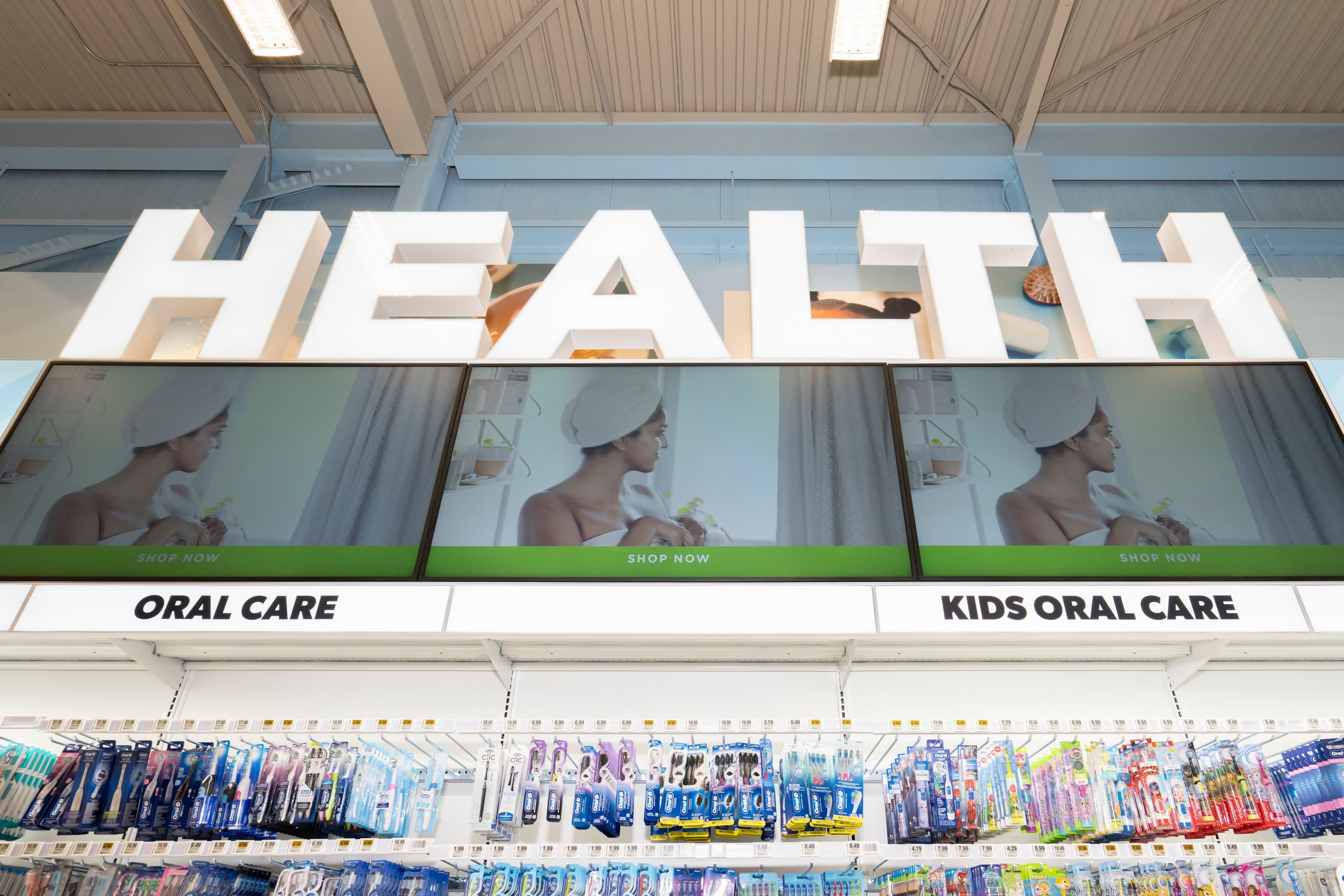
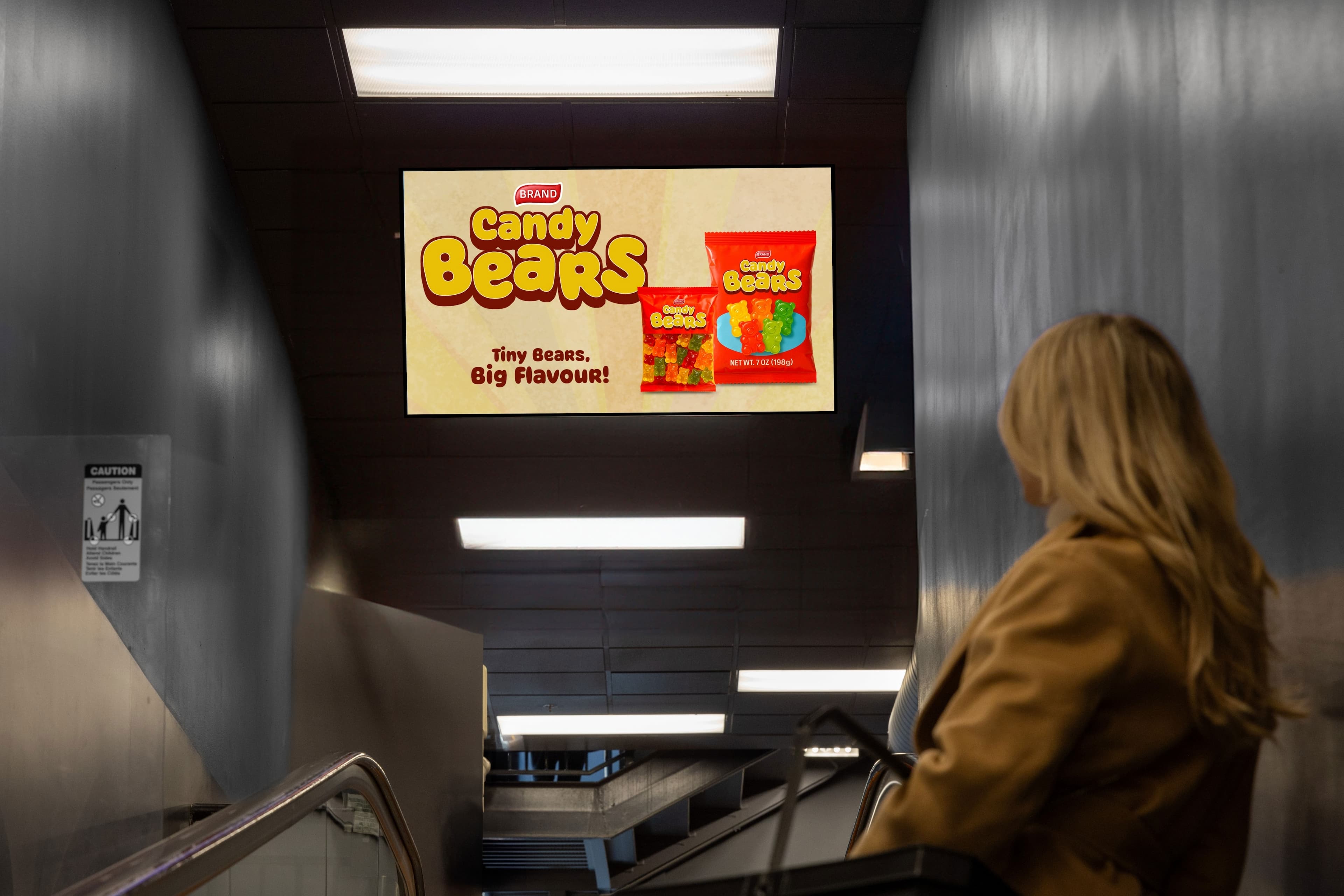
Our in-store digital screens, located throughout the store and at store exits, can serve as a bridge to nearby businesses. For instance, a customer finishing their shopping around noon could be shown a timely lunch offer from a QSR brand located in the same shopping centre. Similarly, a shopper could be made aware of a promotion at a nearby salon. This is an effective application of proximity targeting, allowing brands to reach customers at a relevant moment and influence their immediate plans.
A stronger ecosystem for more brands
The applications of retail media are expanding. It is about understanding the person behind the purchase and using that insight to create relevant connections, whether that leads them to a new car, a vacation, or a quick burger and fries.
By extending these capabilities to new verticals, we are strengthening the entire retail media network. This growth makes the ecosystem more valuable for all partners, including the CPG brands who have been integral to its success from the beginning. The most valuable audiences are in our stores every day, and we are committed to helping every brand find new ways to enhance their shopping experience.