The quiet shift happening inside retail media networks
Retail media has evolved drastically in less than a decade. What began as a limited set of onsite placements has grown into a robust Retail Media Network (RMN) marketplace, with more Canadian retailers launching their own networks, forming audience-based strategic partnerships, and investing in new ad products across digital and in-store environments.
With this rapid evolution comes a significant opportunity for brands and agencies that take time to understand how the landscape is changing.
The evolution of retail media networks and why it matters for brands and agencies
There is a quiet shift happening in the industry, RMNs are evolving from simple inventory sellers into intelligence platforms that connect shopper insights, media activation, and measurement. This shift has real implications for brands: how to prioritize growth opportunities, where to invest across channels, how success is measured across the full funnel and even championing the function internally. Here’s what’s changing, and why it matters for brands shaping their strategy for 2026.
Sales data as the strategic backbone of growth investment
Loblaw sales data is uniquely powerful in Canada, with national scale that represent how Canadians actually shop. Leveraging a platform like Loblaw Data Insights & Analytics enables brands to move beyond media-level performance and pinpoint exactly where growth is happening. With visibility into gains and losses (even at the SKU level), teams can make smarter, more confident investment decisions rooted in real shopper behaviour.
Multi-touch attribution is redefining measurement beyond ROAS
Retail media teams are facing increasing pressure to prove more than last-click performance. Measurement expectations are shifting toward demonstrating true incrementality, influence, and full-funnel impact, and must also consider that shopper journeys are rarely linear.
As a result, RMNs are recommending that brands adopt a more advanced measurement approach that connects media touchpoints to real shopper outcomes. Multi-touch attribution illuminates how different tactics work together to drive conversion, providing a more complete picture of media effectiveness and enabling better optimization decisions over time.
In-store media is evolving
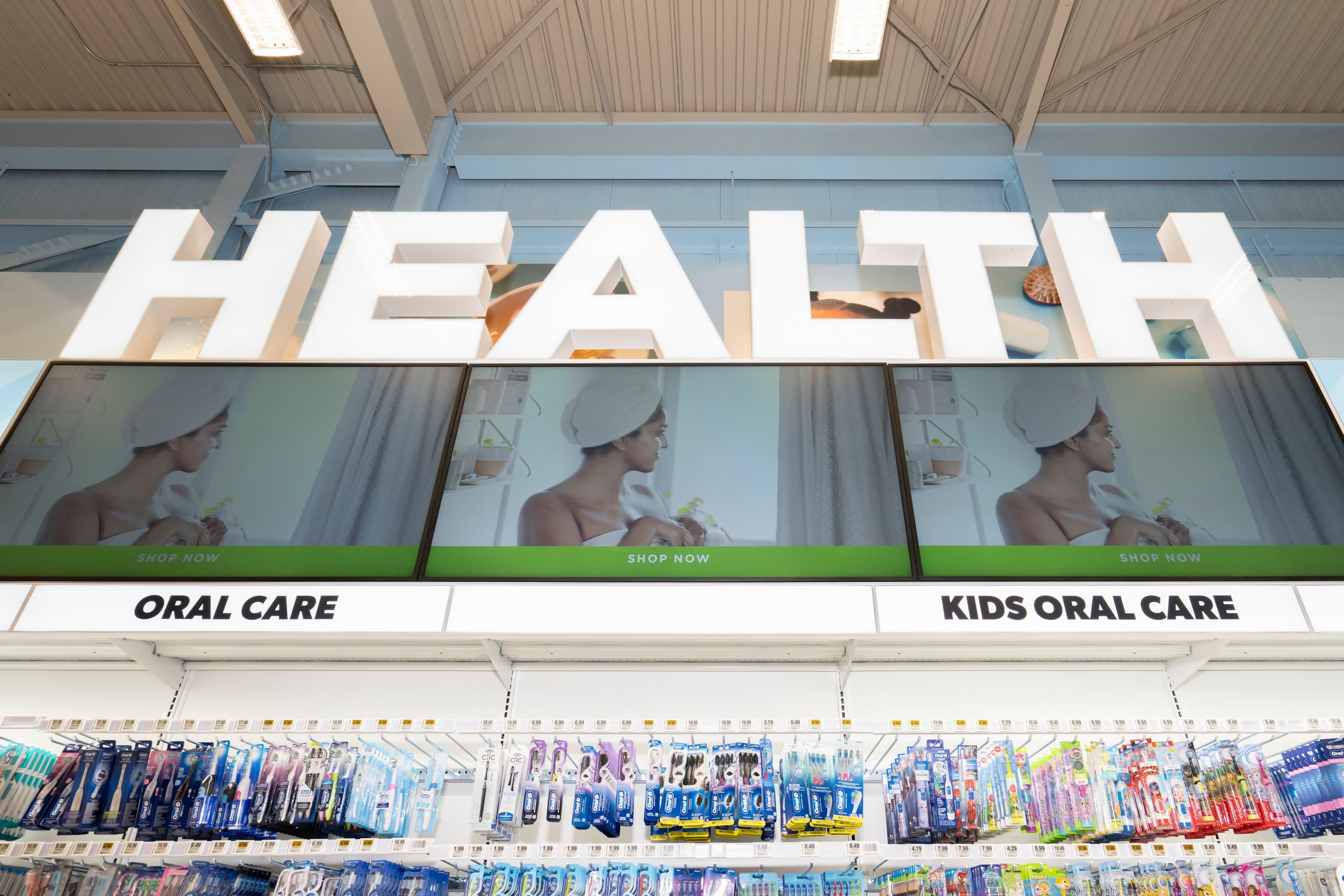
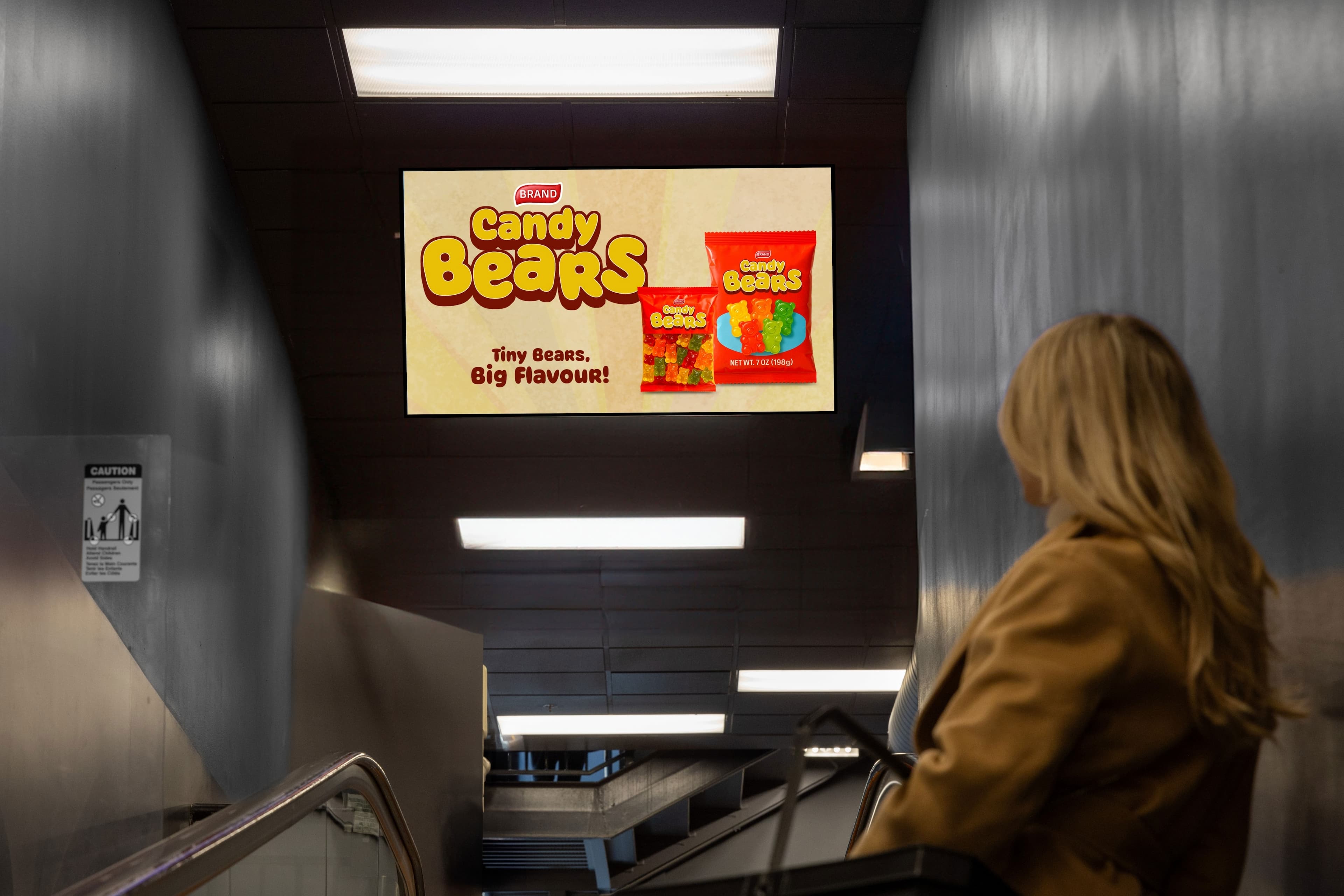
RMNs are investing more strategically in, in-store placements, and exploring innovative formats from, end caps to digital display screens wrapped around merchandising bins, blending media seamlessly into the shopping experience. When executed thoughtfully, in-store media doesn’t just support sales- it drives discovery, sparks inspiration and creates memorable brand moments at the heart of the shopper journey.
AI is becoming the connective tissue behind the scenes
AI is transforming the way shoppers interact with products and how brands make decisions. In search, for example, AI influences how products are matched to shopper intent, how relevance is ranked, and how performance insights are generated. At the same time, AI-powered shopping assistants reduce friction for shoppers, making it easier to discover, compare, and purchase products seamlessly within retail environments. Rather than adding complexity, these advancements are being quietly embedded into everyday workflows, improving decision-making and shopper outcomes without requiring brands or agencies to think explicitly about the technology behind them. Beyond the shopper experience, agentic AI is beginning to support campaign planning and optimization, helping teams surface insights faster and make more informed decisions.
How are you planning to keep up?
As retail media networks continue to evolve beneath the surface, understanding these shifts is critical to building smarter, more integrated strategies that drive impact well beyond the last click.
Turn insight into action today. Get in touch with us to plan how retail media can support your 2026 objectives and set your brand up for success in the year ahead.